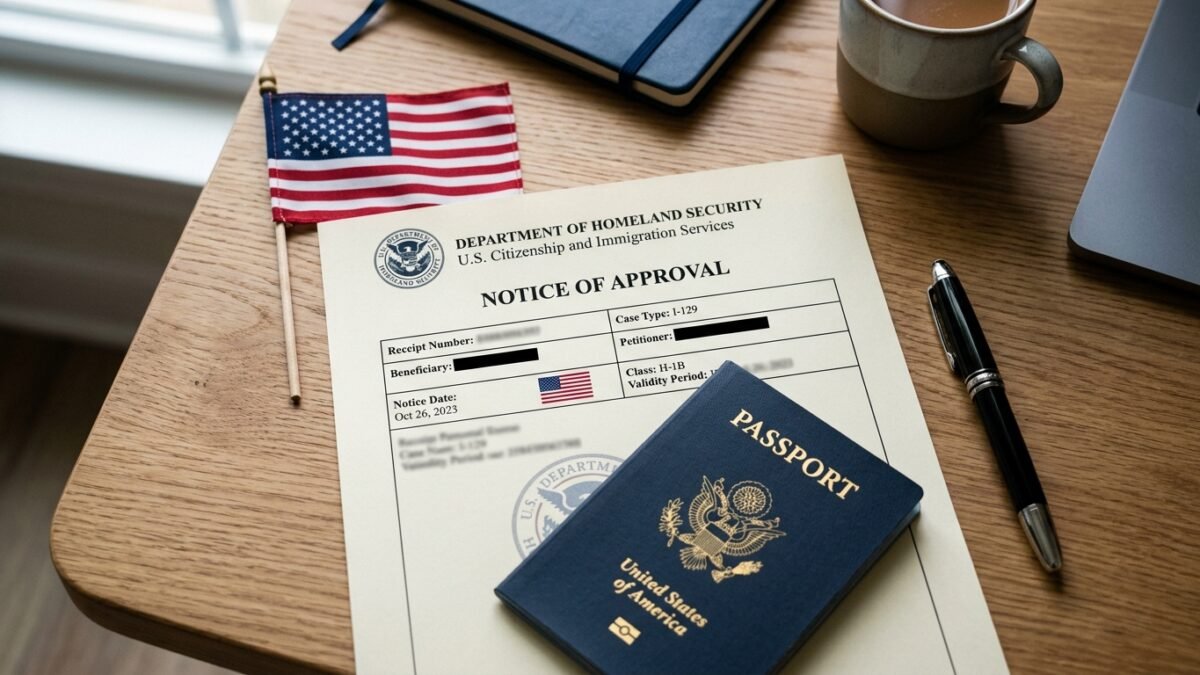
H-1B Visa in 2026: The $100K Fee, the New Lottery, and What It Means for You
If you’re chasing a US skilled job on an H-1B in 2026, two big things have changed: a $100,000 fee now hits many new petitions filed from abroad, and the lottery is no longer random — higher-paid roles get better odds. But the fee is tangled in a court fight, and whether it survives is still unsettled. Here’s exactly who is affected, who is exempt, and what to do about it.
Quick answer: In 2026 the H-1B program has two major changes. A one-time $100,000 fee applies to certain new petitions that require consular processing (workers coming from abroad) — not to renewals, extensions, or most workers already in the US. Separately, a new wage-weighted lottery gives higher-paying jobs more entries. The fee is currently being challenged in court and its future is uncertain.
What actually changed in 2026
Two separate policies reshaped the H-1B this year, and it’s important not to confuse them:
- The $100,000 fee. This came from a September 2025 presidential proclamation (Proclamation 10973) and applies to certain new H-1B petitions. It is a one-time charge, not an annual tax.
- The wage-weighted lottery. A Department of Homeland Security final rule replaced the old random cap selection with a system that favors higher-paid roles. It took effect February 27, 2026 and applied to the FY2027 cap season.
The rest of the H-1B framework — the 65,000 regular cap, the 20,000 master’s cap, the six-year limit, specialty-occupation rules — still works the way it did before.
The $100,000 fee: who actually pays it
This is where most of the panic and confusion lives, so read carefully. The fee targets new, cap-subject H-1B petitions that require consular processing — in plain terms, a worker who is outside the US and needs to pick up their visa at a US embassy or consulate before entering.
According to reporting on the administration’s position and USCIS guidance, the practical picture is:
- The employer pays the fee, before filing the petition, through the government’s payment portal.
- It is a one-time payment tied to that new petition — not a yearly cost.
- Combined with normal government filing fees, the total to bring a new H-1B worker from abroad now runs north of $110,000 in government charges alone, according to immigration-practice analyses.
Because the amount is so large, the real-world effect has been a chilling one: employers are filing far fewer of these petitions, and many are rethinking whether to sponsor a role from abroad at all.

Who is exempt from the $100,000 fee
This is the part that calms a lot of nerves. Based on USCIS guidance and immigration-firm analysis, the fee generally does not apply to:
- Existing H-1B holders — if you already have H-1B status, you’re not hit.
- Extensions and amendments of current H-1B status.
- Most transfers (changing employer) for workers already inside the US.
- Change-of-status (COS) petitions for someone already in the US who is switching to H-1B without leaving the country.
The important catch: if a worker who filed a change-of-status case later travels abroad and needs a visa stamp, the petition can flip into consular processing — and the fee question can come back into play. A single international trip can change your classification, so anyone in this situation should confirm details with an immigration attorney before booking travel
Is the $100,000 fee even in effect right now?
As of July 12, 2026, yes — but under a cloud. The fee is one of the most litigated immigration policies of the year, and the status has flipped more than once:
- September 2025 — the proclamation introduced the fee.
- June 8, 2026 — a federal district court in Massachusetts (in the California v. Mullin / Noem case) struck the fee down, ruling it functioned as a tax that only Congress can impose, and that it violated the Administrative Procedure Act.
- June 12, 2026 — the same court paused (stayed) its own ruling, putting the fee back in force while the government appeals.
- June 18, 2026 — the government filed its motion with the First Circuit Court of Appeals, which is now deciding whether the fee stays in place during the appeal.
So right now, USCIS is still permitted to collect the fee on qualifying consular-processing petitions. But separate lawsuits are also moving in the D.C. Circuit (where a different court actually upheld the fee) and in a California federal court, which sets up the real possibility of the Supreme Court eventually settling it. On top of that, the proclamation is currently set to run only through around September 2026 unless it’s extended.
Bottom line for planning: treat the fee as real and in effect today, don’t build a plan around it disappearing, but know the ground can shift with little warning.
The new wage-weighted lottery, explained
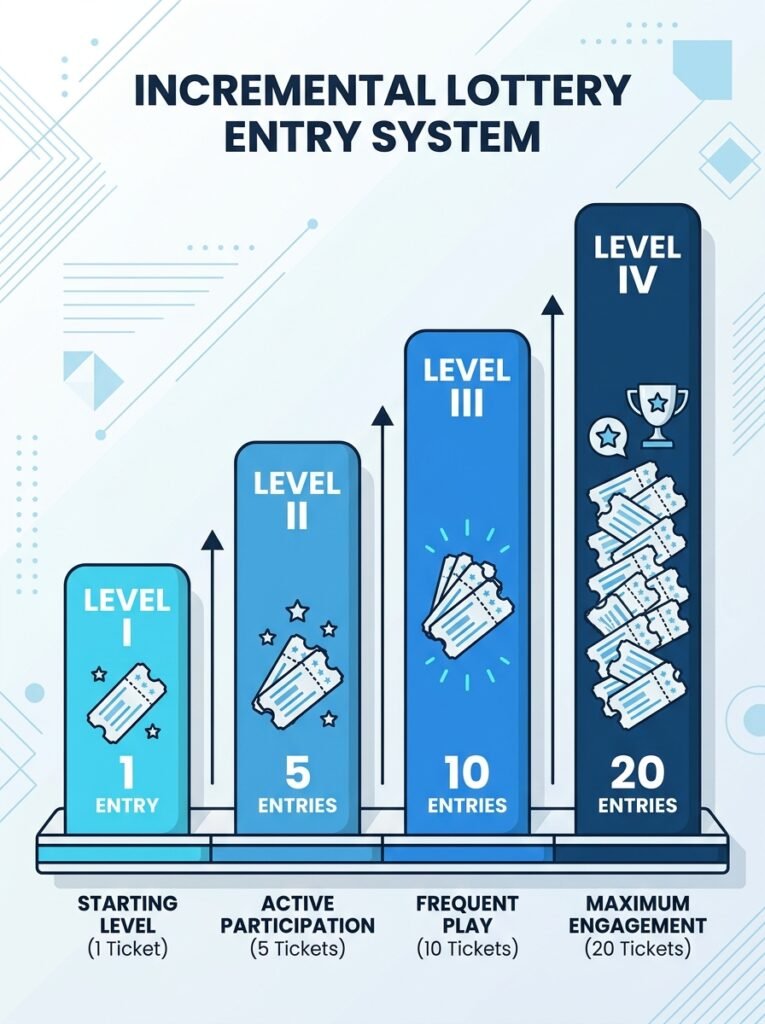
Even if the fee never touched you, the lottery itself changed. The old system pulled cap registrations at random. The new rule, effective February 27, 2026, still selects unique beneficiaries, but it enters each one into the pool more than once depending on how the offered wage compares to the government’s prevailing-wage levels for that job and area.
Roughly:
- Wage Level I (entry-level pay) → 1 entry
- Wage Level II → 2 entries
- Wage Level III → 3 entries
- Wage Level IV (highest) → 4 entries
In practice, a higher-paying job offer means meaningfully better odds of selection. The registration fee is also now $215 per registration (up from just $10 a couple of years ago), and it’s non-refundable even if you aren’t selected.
The takeaway for candidates: the wage level attached to your offer is no longer a background detail — it directly affects your chances. A role that pays at Level III or IV is a stronger lottery bet than the same title offered at Level I.
Who is most affected — and who isn’t
Most exposed: new hires coming from outside the US, especially for lower-wage-level roles. Indian nationals feel this hardest, since they hold an estimated 70–75% of all H-1B visas, and a new hire selected in the lottery while still abroad now carries that six-figure government cost for the employer.
Much less affected: people already inside the US who are extending, amending, or switching employers without leaving the country — those cases are generally exempt from the fee. If you’re on OPT, an existing H-1B, or another status inside the US, your path is far less disrupted than someone applying from abroad.
What job seekers can do now
None of this is legal advice, and every case is different — but here are the strategies immigration professionals are commonly discussing for 2026:
- Target higher-wage-level roles. Under the new lottery, a Level III/IV offer gives you more entries. Aim for employers and job titles that pay above the entry level.
- Look at cap-exempt employers. Universities, university-affiliated nonprofits, and nonprofit or government research organizations are exempt from the annual H-1B cap — meaning no lottery at all, and they can often file year-round. This is one of the most underused routes for skilled candidates.
- If you’re already in the US, use that advantage. Change-of-status and extension routes are largely shielded from the fee. Plan travel carefully so you don’t accidentally trigger consular processing.
- Consider alternative work visas. Depending on your background, categories like O-1 (extraordinary ability), L-1 (intracompany transfer), TN (for Canadian/Mexican professionals), and E-3 (for Australians) were not touched by the proclamation and may fit better.
- Work with a licensed immigration attorney. The rules have changed multiple times with little notice. Confirm your specific situation before paying anything or filing.
- Follow official sources. Check USCIS directly for the current fee status, cap-season dates, and payment rules rather than relying on secondhand posts.
Key Takeaways
- The $100,000 fee hits new H-1B petitions requiring consular processing (workers from abroad) — it’s one-time, employer-paid, and generally exempts existing holders, renewals, extensions, and most in-US transfers.
- The fee is in effect as of July 12, 2026 but under active appeal at the First Circuit; its long-term future is genuinely uncertain, and it may expire around September 2026 unless extended.
- The lottery is now wage-weighted: higher-paying offers get more entries (Level I = 1, up to Level IV = 4). Registration is $215, non-refundable.
- Already in the US? You’re largely shielded. Applying from abroad? You’re the most exposed — target higher wages, cap-exempt employers, or alternative visas.
- This is fast-moving and YMYL — verify with USCIS and a licensed immigration attorney before acting.
Table of Contents
FAQ
Is the $100,000 H-1B fee still in effect in 2026?
As of July 12, 2026, yes. A federal court struck it down on June 8, 2026, then paused its own ruling on June 12, so USCIS can currently still collect it on qualifying consular-processing petitions. The case is on appeal at the First Circuit, so the status could change again.
Does the $100,000 fee apply to H-1B renewals or extensions?
Generally no. The fee targets new, cap-subject petitions that require consular processing for workers coming from abroad. Existing H-1B holders, extensions, amendments, and most in-US transfers and change-of-status cases are typically exempt — though international travel can complicate this.
Who pays the $100,000 H-1B fee, the employer or the worker?
The sponsoring employer pays it, before filing the petition. Because the cost is so high, many employers are reconsidering whether to sponsor certain roles from abroad at all, rather than passing it to the candidate.